Despite pandemic, state incentives help boost Nevada’s ‘electric highway’
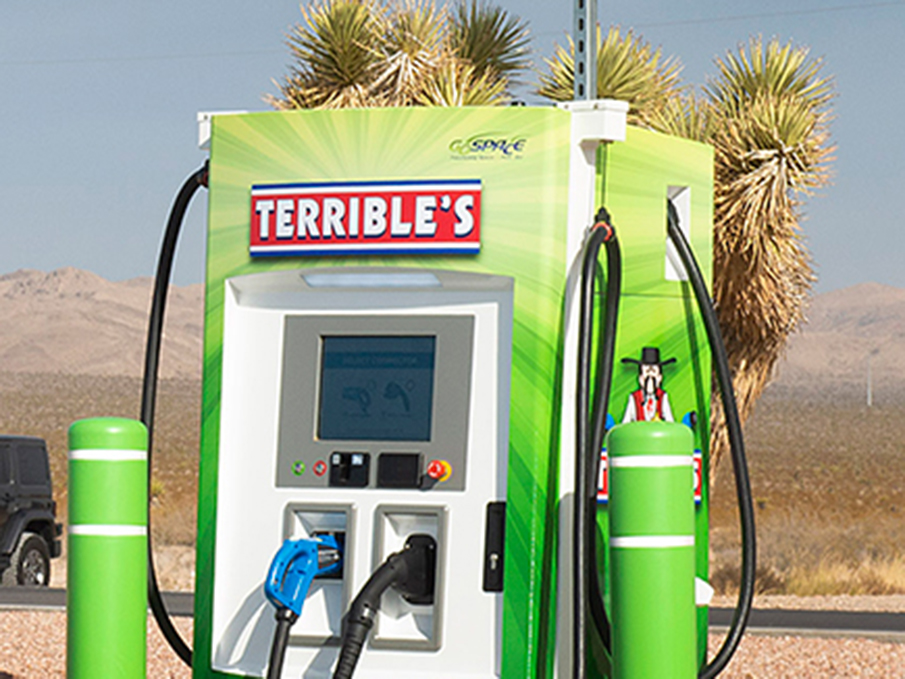
People keep buying electric vehicles, and Nevada continues to build infrastructure to support the shift away from internal-combustion transportation. The shift reduces green-house gas emission.
Nevada’s renewable energy sector faces some clouds, then — perhaps soon — sunny days
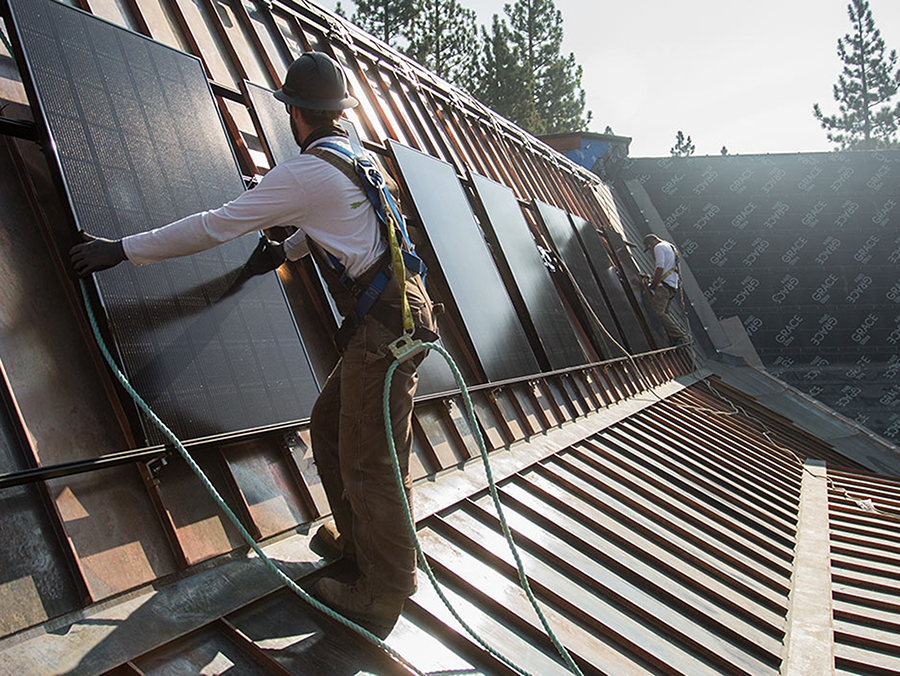
As Nevada pushes toward sourcing half its electricity from renewable energy by 2030, the COVID-19 pandemic has caused some turbulence in the renewables sector.
Yucca Mountain: Faster water flow undermines project safety, UNR geologist says
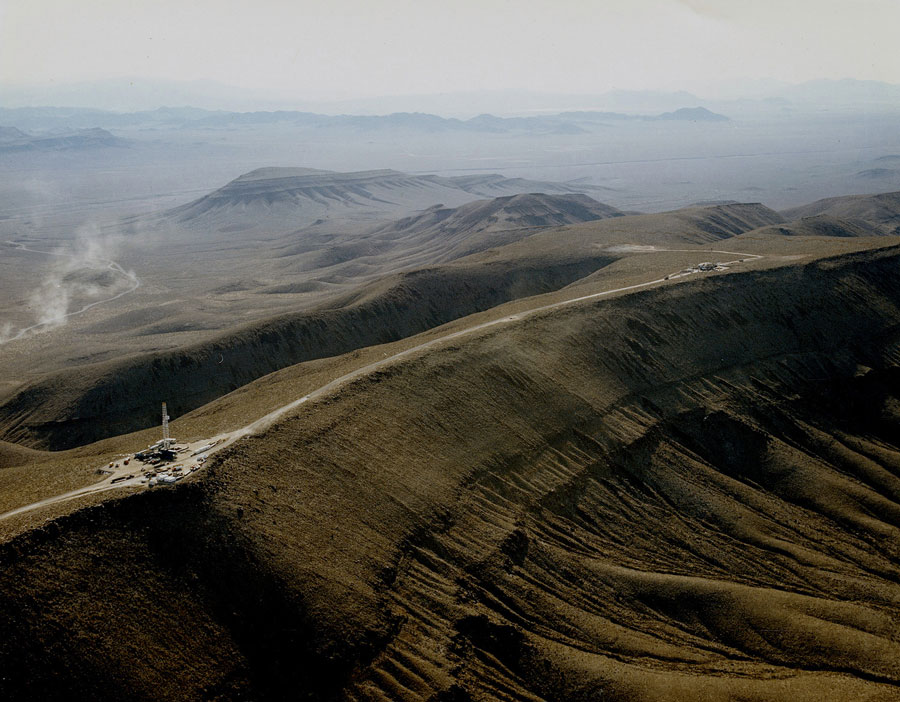
More than two decades of research raises questions about whether scientific “fixes” at a proposed nuclear repository could keep groundwater safe from radioactive contamination.
Daylight On Demand: Why batteries may fuel the future of solar power in Nevada

While the COVID-19 pandemic is proving problematic for the solar industry, there’s a more fundamental challenge: the sun doesn’t always shine. Read how one power plant in Nevada was able to find an unusual way around that issue, and why others may be taking a different approach in the near future: batteries.
What it’s like running a new restaurant — with your parents — amid the COVID-19 pandemic
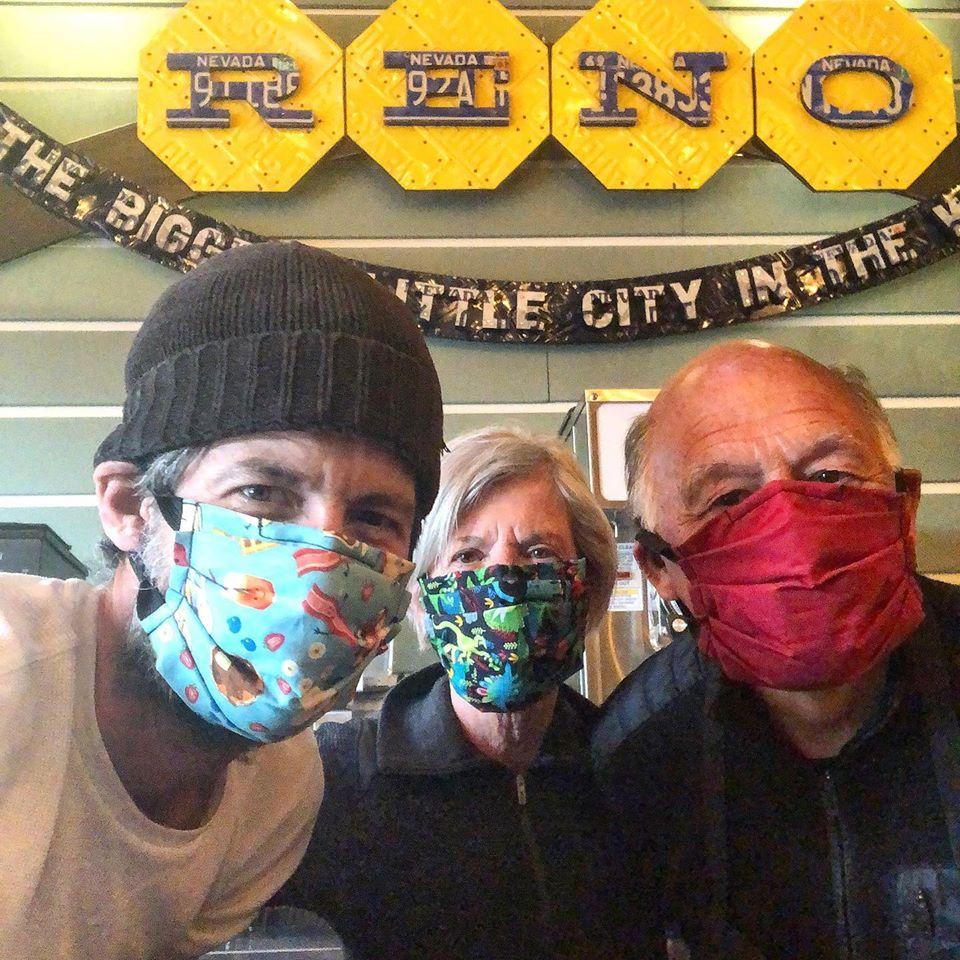
It’s hard enough to keep a fledgling new restaurant up and running in normal times. Imagine running one during a pandemic.
The Virus Hunters: Finding animal diseases before they infect humans
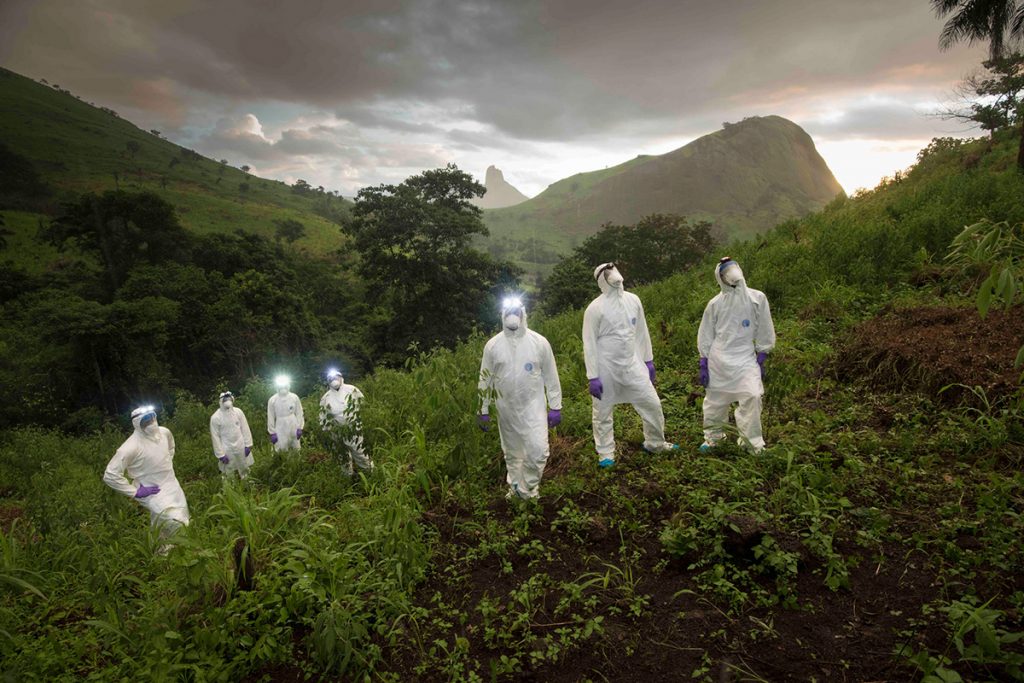
More than 60 percent human viruses originally come from animals.
For the past decade, these researchers around the globe have been working to identify risky viruses before they infect humans.
The team found a new Ebola virus in bats in Sierra Leone, and has worked with various communities to reduce exposure.
As more skiers venture into the backcountry, concerns about avalanche risk
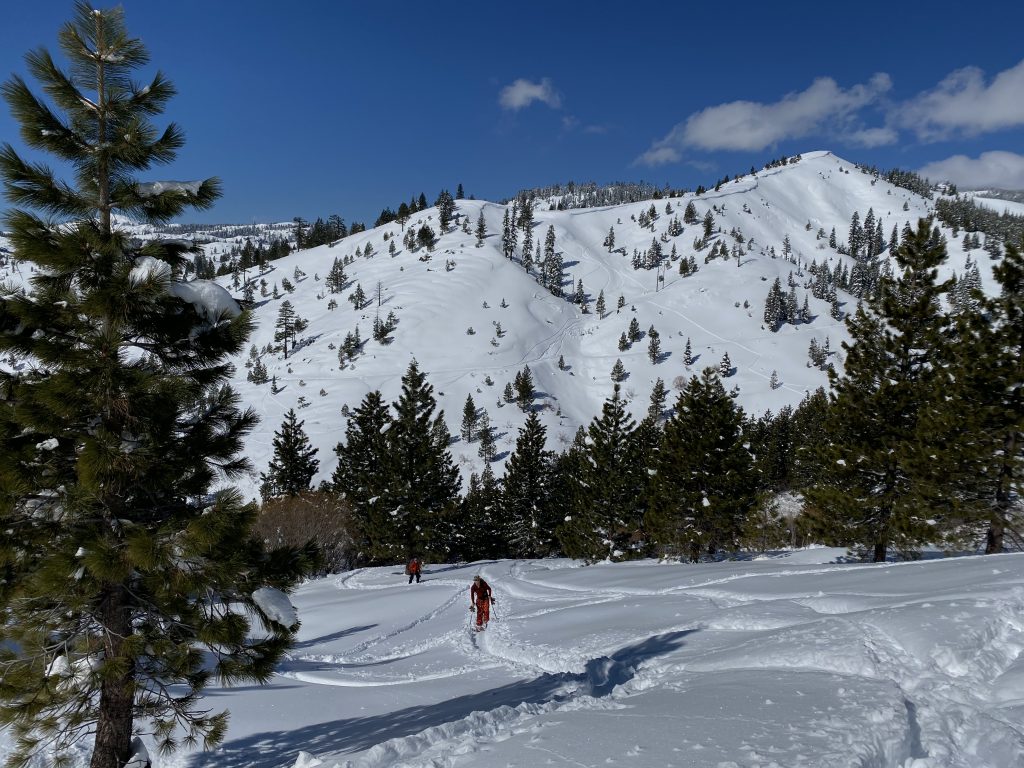
When ski resorts shut down due to the pandemic, many people decided to hit the backcountry slopes– including lots of newbies.
But without avalanche knowledge– heck, even with training– going into the backcountry can be incredibly risky.
Keto diet helps some lose weight, but more research is needed about long-term health risks

It may come as a surprise to learn the keto diet was originally developed to treat seizures. Now some rave about it as a quick weight loss tool. But nutritionists say some early research gives cause for concern about maintaining the restrictive diet long-term.
The psychology behind the #ToiletPaperApocalypse

If you’ve visited the grocery store in the past week, you’ve probably seen people flocking to the toilet paper aisle. Toilet paper is flying off the shelves as people prepare for the worst of Coronavirus (COVID-19). “Walmart looked like it was ransacked,” said Miranda Ossio-Marin, a student at the University of Nevada, Reno. “Traveling to […]
Galena Creek Restoration Project: Keeping Dirt Out of Your Water
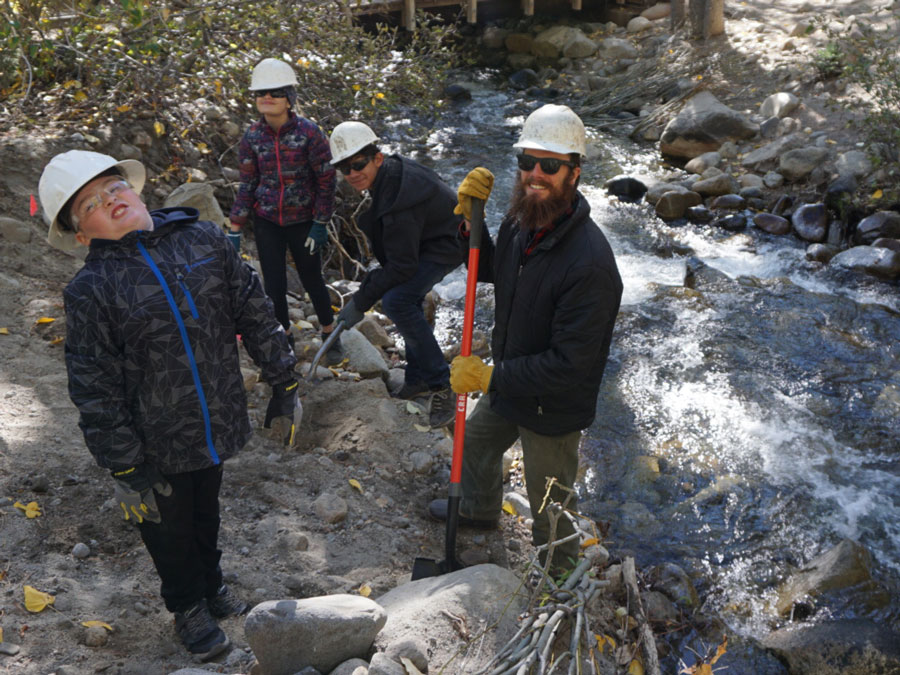
Area schoolchildren helped improve the health of the Truckee River watershed by spending a week restoring an eroded area along the banks of Galena Creek, south of Reno.