
Blue light glasses for preventing eye strain: just a fad, or do they really work?
Speedy tracing of food poisoning can stop illness in its tracks
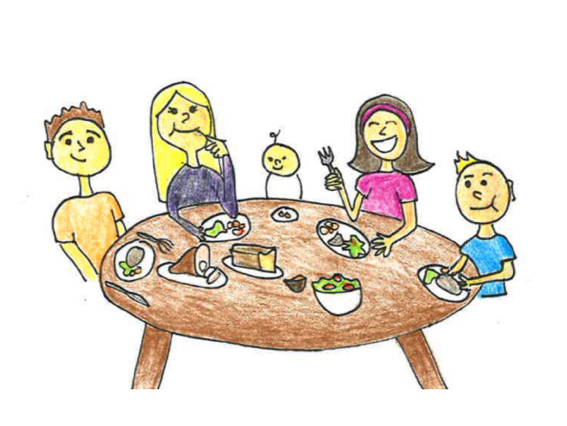
Public health officials serve as detectives, looking for patterns in peoples’ sickness and testing foods and even restaurant equipment to find the source.
Project screens DNA of Nevada volunteers to prevent disease

In 2019, Nevada ranked 35th in population health in the United States. This is in part due to high rates of cardiovascular disease, chronic health conditions and premature death. A number of factors influence people’s health in a given geographic area, one of which includes a person’s genes, which can show a person’s likelihood of developing […]
Reporter takes DNA test to partake in research aiming to boost health of all Nevadans

The Healthy Nevada Project can sequence your DNA to tell if you are genetically at-risk for developing certain diseases.
Care Center For Children With Learning Disabilities Says It Will Stay Open
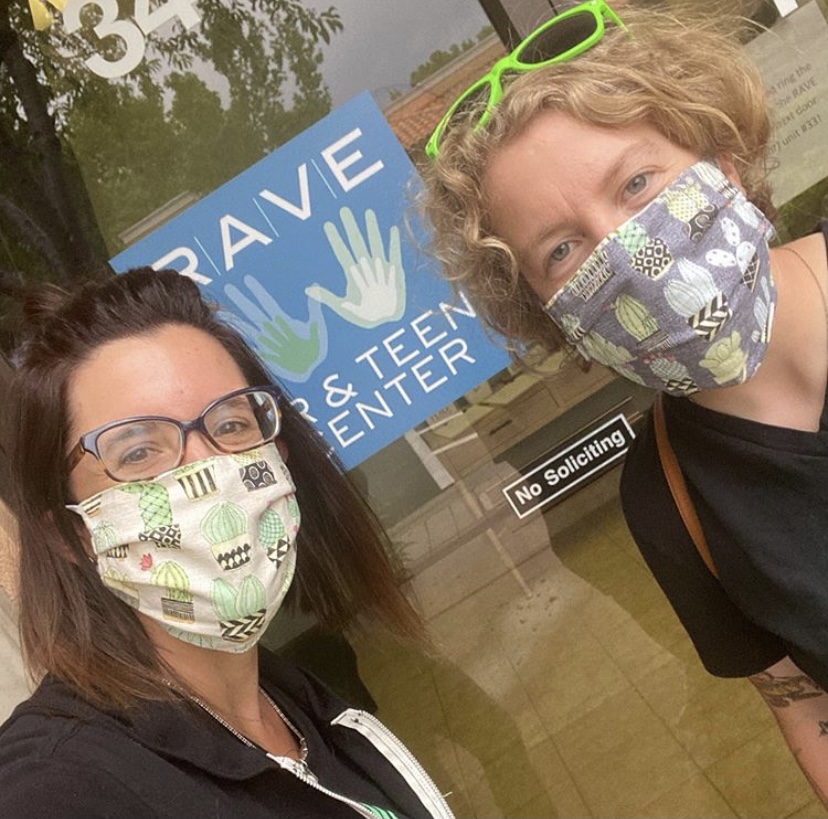
Many families with children with disabilities rely on care centers to support overwhelmed parents and to provide care in an emergency situation. But during the pandemic, one center is struggling to retain volunteers.
Distance Learning A Particular Challenge For Students With Autism
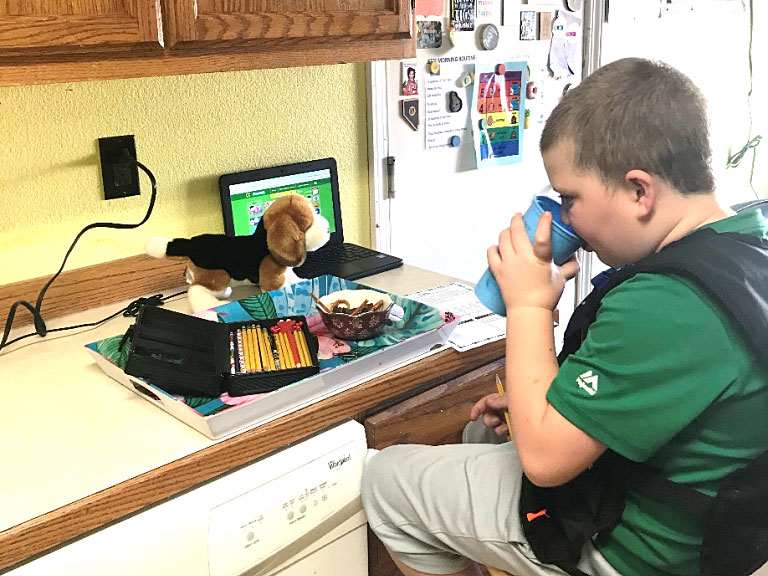
Face coverings, distance learning and barren playgrounds have changed the school day. It’s a particular challenge for students with autism, who rely on routine.
Research suggests the virus that causes COVID-19 is mutating quickly, but we’re still figuring out what that means
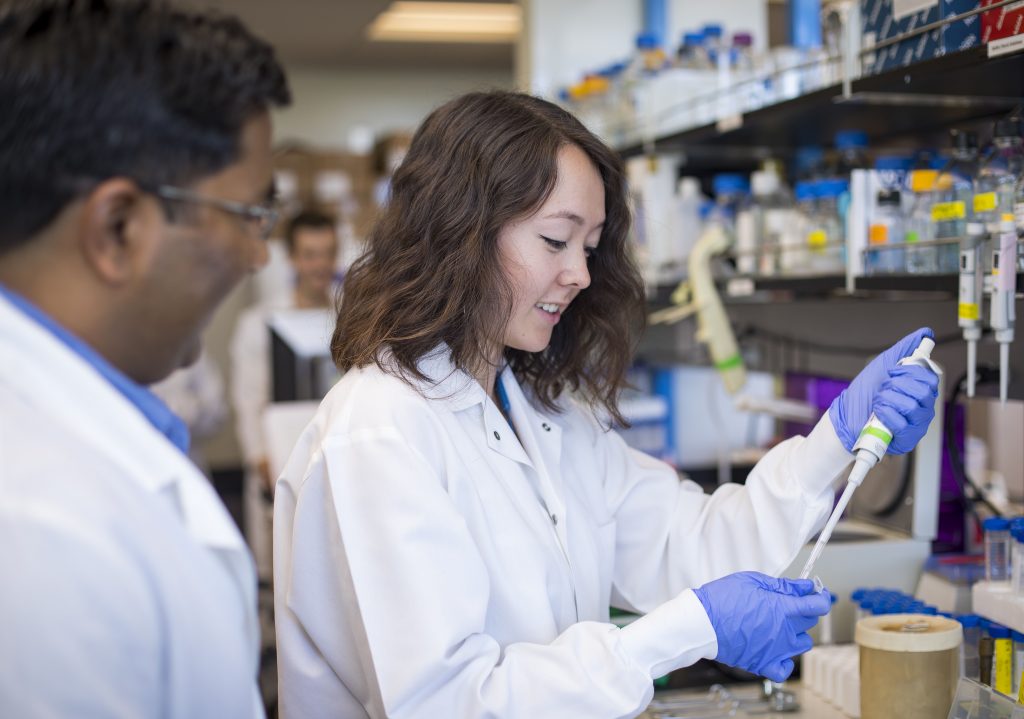
UNR scientists are studying the long-term implications of the mutations in SARS-CoV-2, the virus that causes COVID-19, and working to find out why it is mutating so quickly.
As casinos reopen amid COVID-19, researchers question the safety of smoking
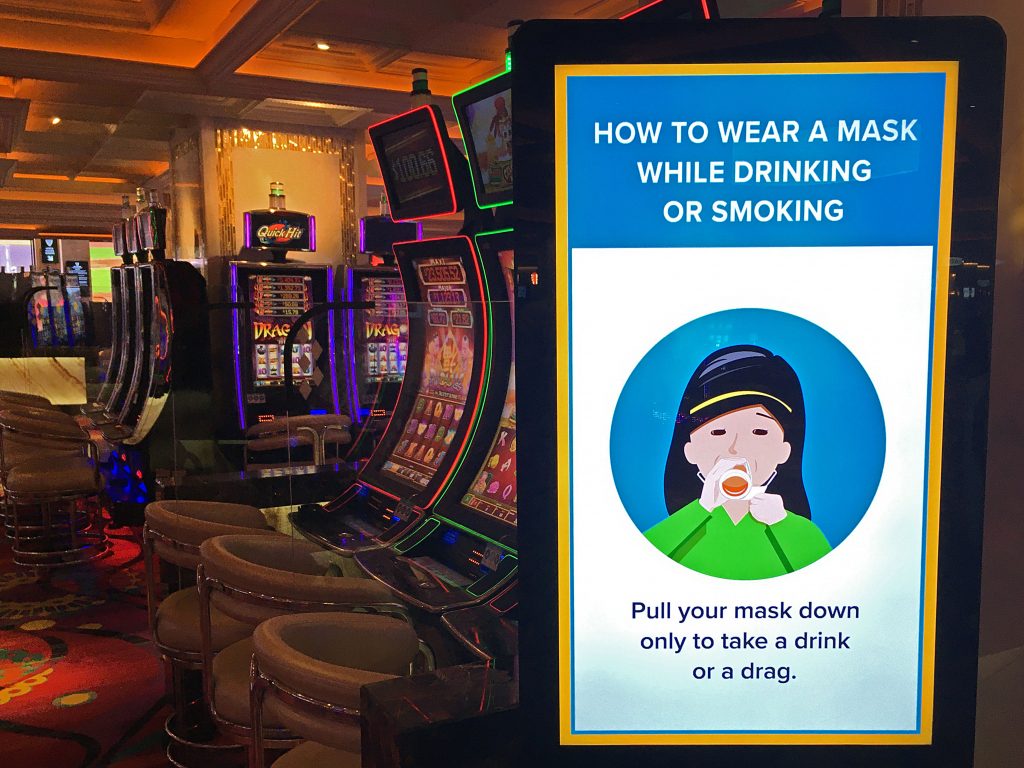
Some states have temporarily banned smoking in casinos to stop the spread of Covid. Nevada has not. Science suggests the virus could travel through the air on cigarette smoke.
Tech industry’s reliance on ‘brain-enhancing’ drugs raises questions
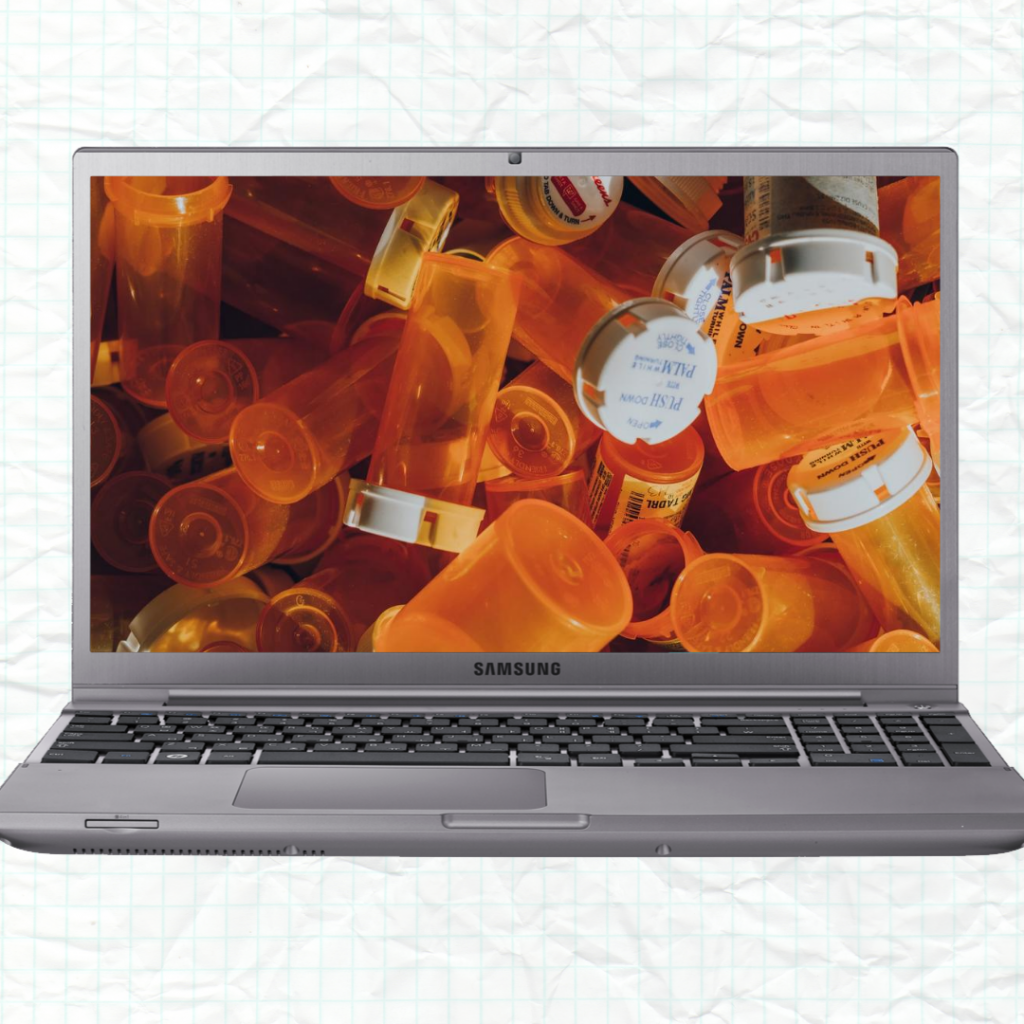
Is the pressure to perform in your tech job enough to have you seeking Adderall as a performance-enhancer? Read this before you do it.
Can behavioral science help you stop touching your face to avoid COVID-19?
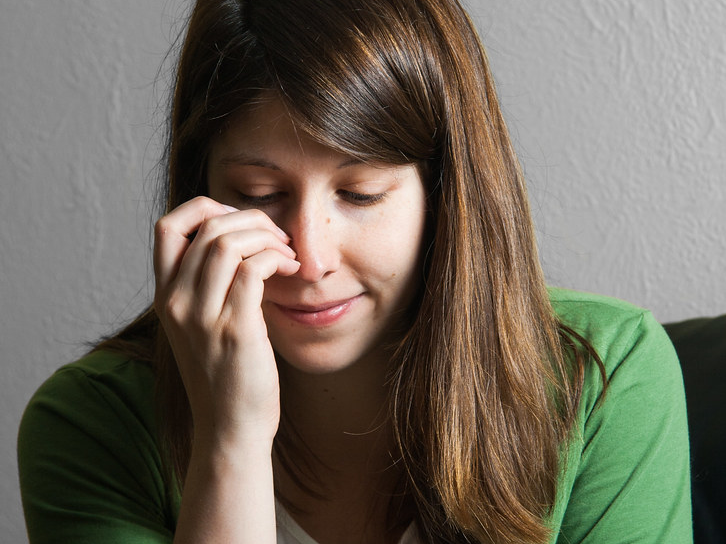
Humans touch their face an average of 68 times per hour. The novel coronavirus can enter the body through a person’s eyes, mouth and nose. But experts say there is an easy way to train yourself to stop touching your face.