
This story was shared with permission from KUNR Public Radio. For an audio version of the story, please visit the KUNR website. Above: A graph showing how much later Reno’s first freeze is occurring, which also showcases the 2016 record. Credit: Climate Central.
Reno set a new record when it comes to the latest first freeze. The previous record was set back on Nov. 16, 2016. This year, the city recorded its first freeze on Nov. 19. This coincides with a national trend, according to a report from the policy-neutral nonprofit Climate Central.
It found that cities across the country have seen on average a 12 day delay. However Reno has seen the first freeze arriving up to 40 days later, the most delayed in the entire country.
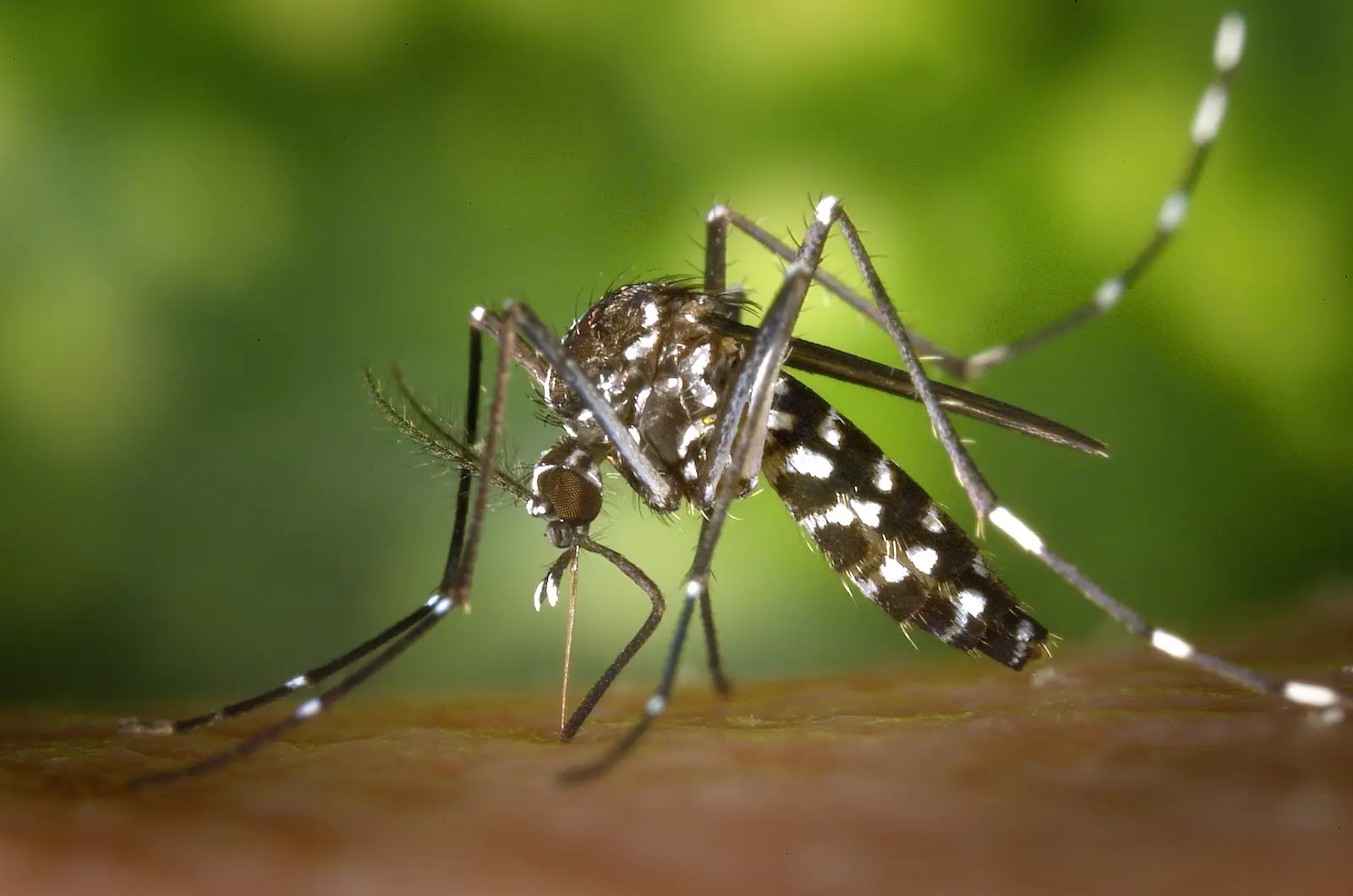
The report said that while the delay can increase the growing season, it also places more of a strain on water usage. It also causes pests to hang around longer than they normally do.
“A lot of this is just due to urbanization trends and the fact we have a lot more of an urban landscape in Reno now in 2025 than we had in 1970. That urban heat island effect is pretty well established. And it’s playing a fairly substantial role in this delay of the first freeze as well,” said state climatologist Baker Perry.
He said the urban heat effect in Reno is more evident when compared to other areas like Boca Reservoir and Winnemucca with similar climates. These locations have seen delays that resemble the national trend of 12 days, which are directly attributed to climate change. In contrast, Reno’s climate is seeing the impact of urbanization.
Oscar Martinez is a graduate student in the Reynolds School of Journalism. He is the 2025 fall intern for KUNR and the Hitchcock Project for Visualizing Science.