A new documentary showcasing the Colorado River’s wildlife and cultural history drew a standing-room crowd Thursday night at the Nevada Museum of Art, where panelists said the film’s striking imagery underscores urgent challenges facing the iconic waterway.
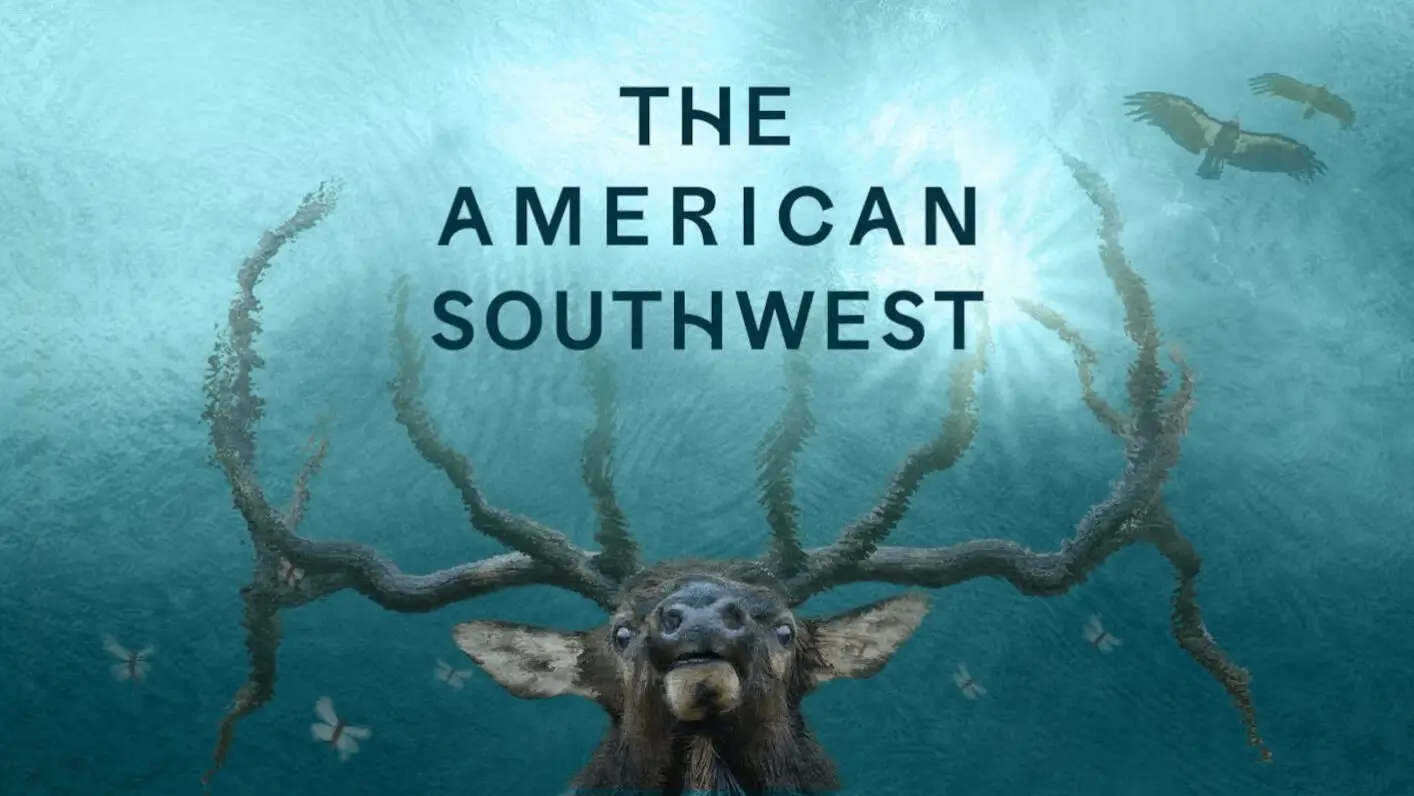
The American Southwest, narrated by Indigenous rights advocate and model Quannah Chasinghorse, traces the river’s roughly 1,450-mile path from its headwaters in the Rocky Mountains to the Gulf of California in Mexico. Along the way, the film captures intimate scenes of beaver, elk, trout, and other wildlife that depend on the river’s flow through diverse ecosystems. The documentary also delves into the human impacts, including dams and overuse, that have left the river overallocated and, at times, dry before reaching the sea.
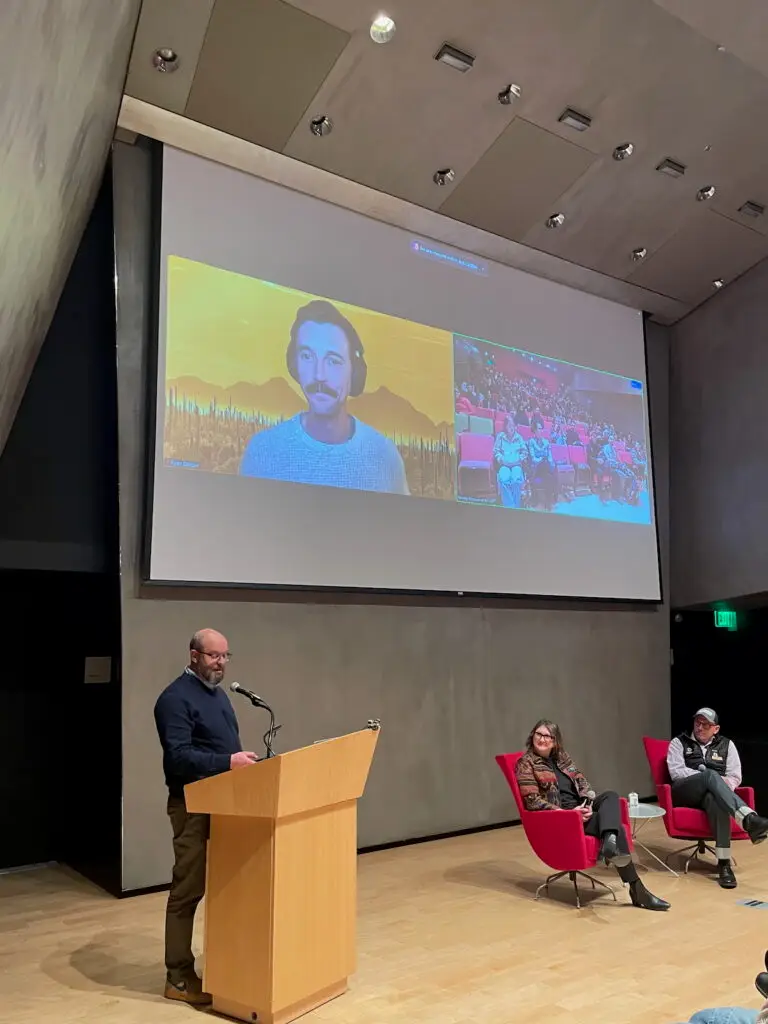
Sinjin Eberle, senior director of regional communications at American Rivers and a panelist at the event, has described the film as “a remarkable journey down the Colorado River” that immerses audiences in the basin’s landscapes, wildlife, and cultural histories while highlighting the policy decisions shaping its future.
Beyond its sweeping visuals, panelists say the film carries a clear message: the region’s relationship with the Colorado River must evolve as water supplies decline.
More than 40 million people in seven western states and two countries depend on the river for drinking water, agriculture, and hydropower. But decades of drought and century-old water allocation agreements have strained its flows. Negotiations among seven basin states are currently underway to develop a new operating plan for the river and major reservoirs such as Lake Powell and Lake Mead, both of which have hit historic lows in recent years.
“We’ve got to find smart ways to transition our economies and agriculture,” Elizabeth Koebele, University of Nevada, Reno political scientist, said, pointing to shifts away from water-intensive crops such as alfalfa.
Panelists also emphasized Indigenous perspectives on river stewardship. They said the film’s inclusion of Native voices reflects communities with longstanding cultural and spiritual ties to the Colorado River and ongoing involvement in the water policy discussions.
Audience members raised concerns about the potential construction of water-intensive data centers in Washoe County. Ryan Olinger, a biologist and filmmaker with Fork Tailed Media, encouraged community members to stay engaged in local and regional water policy decisions.
The screening and panel discussion aimed to bring together science, storytelling, and public dialogue as critical decisions loom over the river’s future.
Alanna Garcia is a master’s student in the Natural Resources and Environmental Science Department at the University of Nevada, Reno. Her work focuses on black bear ecology and movement in Nevada. She wrote this story for the Hitchcock Project’s Science & New Media course during spring 2026 in the Reynolds School of Journalism.