
Losing What We Have Not Found
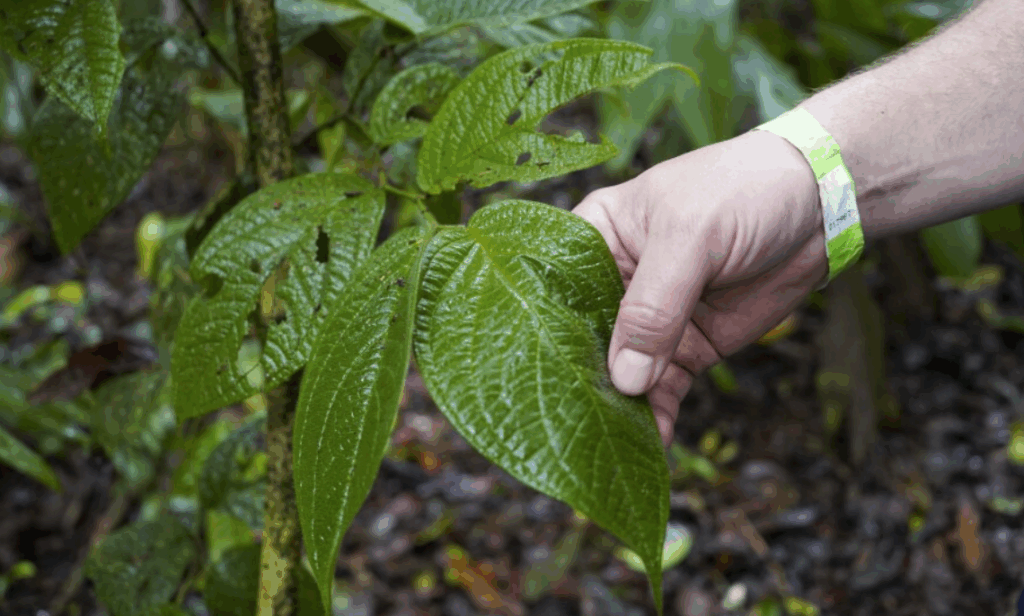
The silent decline of caterpillars in Costa Rica. A StoryMap and documentary by Julia Donovan, Malory Shaw, Mariel Day, and Paige Newman.
Ecotourism in Costa Rica: A steady evolution
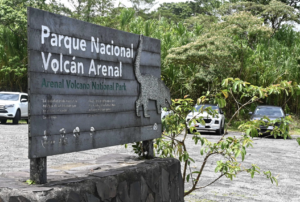
From January to April, 700,000 US tourists visited Costa Rica. What is behind the appeal of this destination? By Emilio Milo/KUNR.
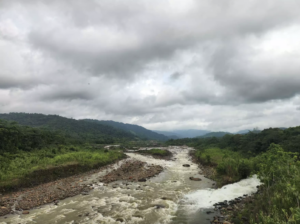
Extreme weather is becoming more frequent in Costa Rica
Costa Rica relies on rainfall for its water supply. But climate change is having a significant impact By Ally Ibarra/KUNR.
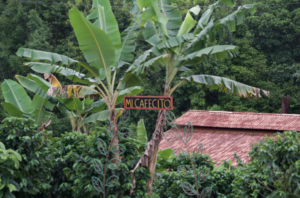
For the Love of Costa Rican Coffee
Experience the coffee-making process at Mi Cafecito in Costa Rica’s Alajuela Province. By Yadhira Gomez.
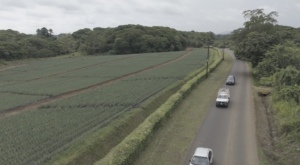
Pineapple plantations’ effect on rural Costa Rican children
In the Sarapiqui region of Costa Rica, it’s hard to walk around without seeing a pineapple or banana plantation. But is pesticide use from the plantations affecting the locals? By Malory Shaw/KUNR.
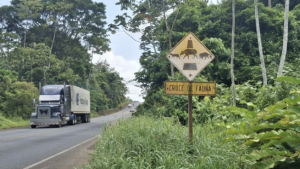
From monkeys to desert tortoises: how wildlife crossings differ from Costa Rica to Nevada
Every year, thousands of animals are killed on Nevada’s roads. Costa Rica is facing a similar problem. By Kathleen Leslie/KUNR.
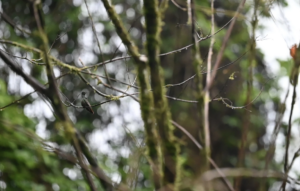
The mightiest pollinators, from the tropics to the desert
Around the world, including in Costa Rica, hummingbirds are at risk. Humans can help. By Natalie MacKay/KUNR.
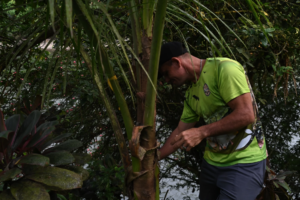
The decline of May Beetles in Costa Rica due to light pollution
The May Beetle and other nocturnal insect species in Costa Rica are in decline. But, all hope is not lost. By Mariel Day/KUNR.
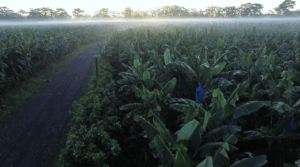
Video: A Fruitful Burden
In the banana plantations of Costa Rica, endocrine-disrupting chemicals are taking a hidden toll on workers, insects, birds, and the environment. A short documentary by Beatrice Bashibyukyan.
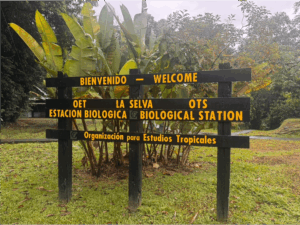
USAID Cuts Hamper Climate Efforts Abroad
What does the future look like for one of the world’s leading sites in researching clean energy? By Daisy Gomez, Sierra Nevada Ally
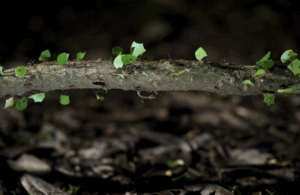
Leafcutter Ants: The mightiest workers of the rainforest
At La Selva Biological Station in Costa Rica, scientists are looking to the tiny leafcutter ant for clues about how to make new antibiotics. An ArcGIS StoryMap by Lily Wright, Daisy Gomez, Stephanie Navarro Rocha, Juliet Ojeda, and Emily Hess.